The Future of Autonomous Cleaning Robots: How AI, Data and Sustainability Are Reshaping the Professional Cleaning Industry
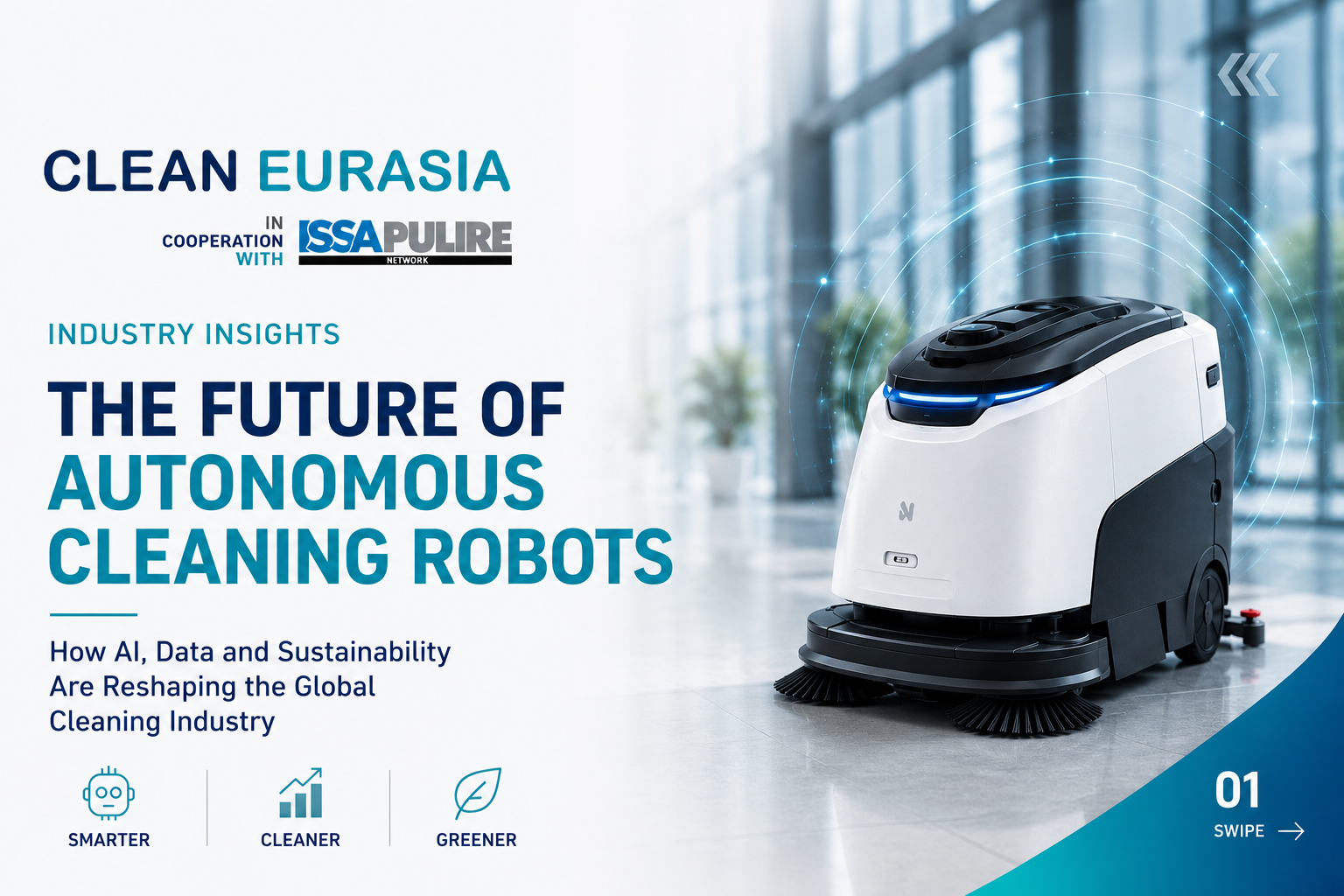
What was once considered an emerging technology has now become an essential investment for organizations seeking higher efficiency, operational resilience and measurable sustainability outcomes.
Driven by persistent labor shortages, rising operational costs and increasing hygiene expectations, facility managers are accelerating the adoption of autonomous cleaning technologies. Today, robotic solutions are no longer limited to large airports or shopping malls. Hospitals, hotels, manufacturing facilities, logistics centers, educational institutions and commercial buildings are increasingly integrating intelligent cleaning systems into their daily operations.
A Market Experiencing Exceptional Growth
The global autonomous cleaning robot market continues to expand at an impressive pace. Industry analysts project significant growth throughout the remainder of the decade, supported by rapid advancements in artificial intelligence, sensor technologies, cloud connectivity and battery performance.
Rather than replacing cleaning professionals, autonomous robots are enabling teams to work more efficiently by automating repetitive floor cleaning tasks while allowing staff to focus on higher-value activities requiring human expertise.
As organizations continue to prioritize operational excellence, automation is becoming a strategic component of facility management rather than simply a technological upgrade.
Addressing One of the Industry's Biggest Challenges
Labor availability remains one of the most pressing issues facing the professional cleaning industry.
Across many regions, facility managers struggle to recruit and retain qualified personnel while simultaneously maintaining increasingly demanding service levels.
Autonomous cleaning robots help organizations respond to these challenges by delivering:
Consistent cleaning performance
Reduced dependency on manual labor
Extended operating hours
Higher productivity
Improved resource allocation
Instead of replacing people, robotics enhances workforce efficiency and creates opportunities for employees to focus on quality control, customer service and specialized cleaning operations.
Artificial Intelligence Is Transforming Cleaning Operations
Artificial intelligence is becoming the driving force behind modern autonomous cleaning systems.
Today's intelligent robots continuously collect operational data, optimize cleaning routes, recognize obstacles, adapt to changing environments and improve their performance over time.
Advanced AI capabilities now enable:
Intelligent navigation
Real-time obstacle avoidance
Adaptive cleaning behavior
Predictive maintenance
Fleet optimization
Cloud-based monitoring
Performance analytics
This shift from reactive cleaning to data-driven facility management allows organizations to make smarter operational decisions while improving overall service quality.
Data Is Becoming the New Competitive Advantage
Connected cleaning technologies are generating valuable operational insights that were previously unavailable.
Facility managers can now monitor equipment utilization, cleaning performance, battery status, water consumption, maintenance schedules and productivity indicators from centralized cloud platforms.
This level of visibility supports:
Better operational planning
Lower maintenance costs
Improved asset utilization
Greater transparency
Measurable performance reporting
As digital transformation continues across facility management, data is becoming as valuable as the cleaning equipment itself.
Sustainability Is No Longer Optional
Environmental responsibility has become a strategic priority for organizations worldwide.
Autonomous cleaning robots contribute directly to ESG objectives by reducing water consumption, optimizing chemical usage, lowering energy demand and minimizing unnecessary resource waste.
Modern robotic systems help facilities:
Reduce water consumption
Optimize chemical dosing
Lower energy usage
Extend equipment life
Reduce carbon emissions
Support sustainability reporting
For many organizations, investment decisions are increasingly evaluated not only by financial return but also by their environmental impact.
What Buyers Are Looking for in 2026
Purchasing priorities are evolving rapidly.
Today's buyers are seeking solutions that deliver measurable operational value rather than simply replacing existing equipment.
Key decision factors now include:
Operational efficiency
Return on investment
Artificial intelligence capabilities
Digital connectivity
Sustainability performance
Ease of integration
Reliable after-sales support
Data reporting capabilities
Manufacturers that successfully combine innovation, sustainability and measurable business outcomes will be best positioned to lead the next generation of professional cleaning technologies.
Discover the Future at CleanEurasia 2026
Innovation continues to reshape every segment of the professional cleaning industry.
CleanEurasia 2026 will bring together manufacturers, distributors, facility managers, procurement professionals and industry leaders to explore the technologies defining the future of cleaning.
Visitors will have the opportunity to discover the latest robotic cleaning systems, smart facility solutions, sustainable technologies and digital innovations while connecting directly with leading global suppliers.
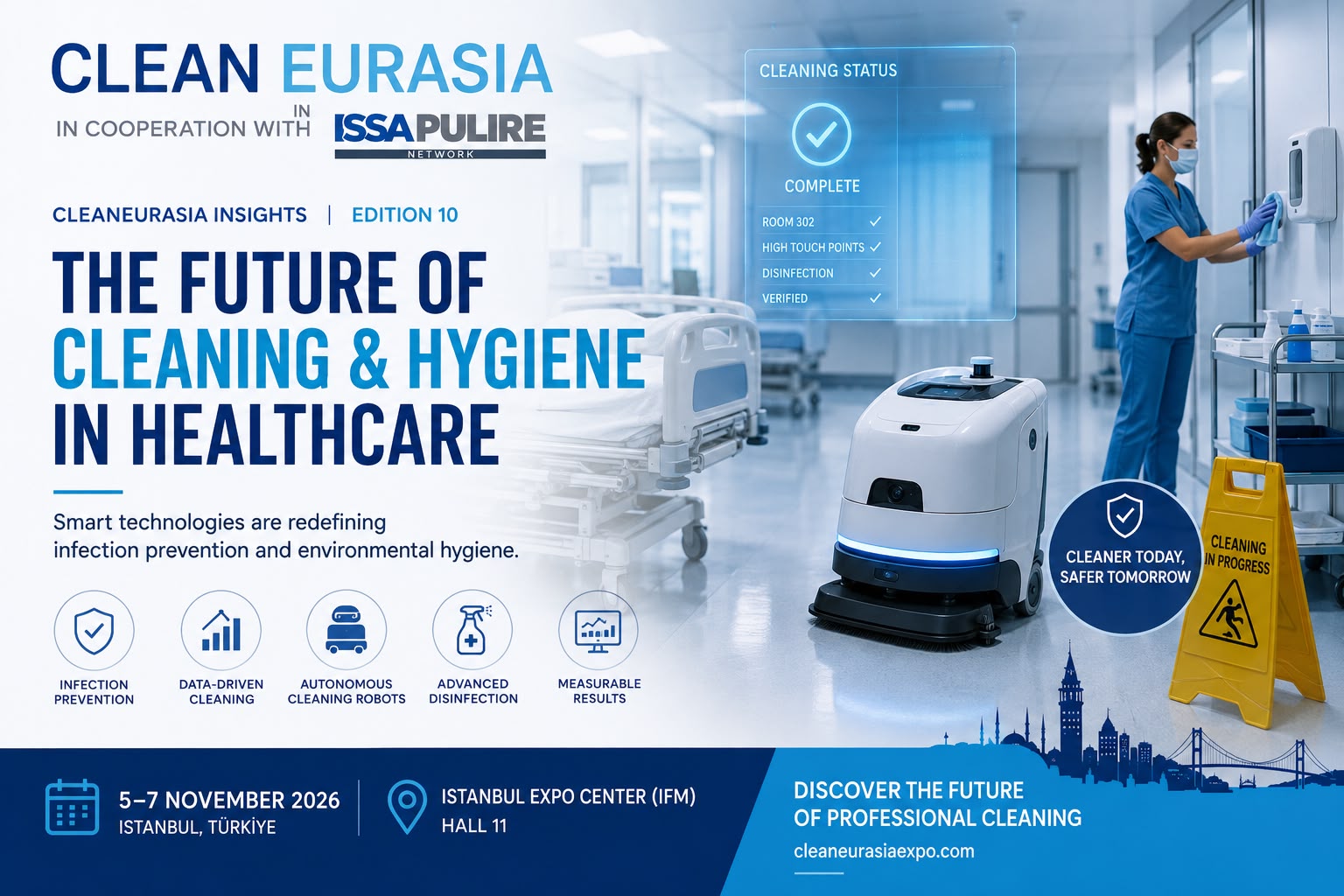
CleanEurasia 2026
📅 5–7 November 2026
📍 Istanbul Expo Center – Hall 11
As the leading meeting point for the professional cleaning and hygiene industry across Eurasia, CleanEurasia continues to connect innovation with business opportunities and shape the future of the sector.
The future of professional cleaning is intelligent, connected and sustainable—and that future begins at CleanEurasia 2026.
.jpeg)
